A single Hb number on the antenatal report can raise more questions than any scan. Anemia in pregnancy, often called khoon ki kami at home, means her haemoglobin level is below the recommended threshold for that stage of pregnancy. The World Health Organization (WHO) sets the line at 11 g/dL (grams per decilitre) in the first and third trimesters, and 10.5 g/dL in the second.
Some women see their result marked low and start wondering what they did wrong. Others simply want to know what a good reading looks like before the next blood test.
In India, the National Family Health Survey (NFHS-5, 2019 to 2021) found that 52.2 percent of pregnant women aged 15 to 49 were anaemic. Low iron is the most common cause, and anaemia found early can usually be treated well.
Key takeaways
-
Anaemia is defined by trimester-specific WHO cut-offs, and the second-trimester line is the lowest.
-
Some dip in Hb is expected, because the watery part of the blood grows faster than red cells.
-
A low Hb shows anaemia, not its cause. Tests such as ferritin help the doctor find out why.
-
Iron and folic acid tablets are free at government centres. Other treatments, such as IV iron, are decided by her doctor.
-
Vitamin C-rich foods can help the body absorb iron from meals.
Why does haemoglobin drop during pregnancy?
Picture haemoglobin as a delivery van for oxygen, and iron as the material the body uses to build those vans. In pregnancy, blood volume rises sharply, so the body suddenly needs many more vans.
The watery part of the blood grows faster than the red cells, so some dip in haemoglobin is expected. At the same time, the baby and placenta draw steadily on the mother’s iron, especially in the second half of pregnancy.
Many Indian women also start pregnancy with low iron stores. Mostly vegetarian meals, chai with food, heavy periods, closely spaced pregnancies and worm infections can all play a part. This is why iron deficiency in pregnancy is so widespread here, and why it is rarely about one person’s choices.
Reading the haemoglobin level in pregnancy
India’s Anemia Mukt Bharat (Anaemia-Free India) guidelines recommend an Hb test at every antenatal contact. That means at least four times in pregnancy, and more often in a high-risk pregnancy. The table shows how the result is graded, in g/dL.
| Trimester | Not anaemic (WHO cut-off) | Mild anaemia | Moderate anaemia | Severe anaemia |
|---|---|---|---|---|
| First (up to 13 weeks) | 11.0 or above | 10.0 to 10.9 | 7.0 to 9.9 | Below 7.0 |
| Second (14 to 27 weeks) | 10.5 or above | 9.5 to 10.4 | 7.0 to 9.4 | Below 7.0 |
| Third (28 weeks onwards) | 11.0 or above | 10.0 to 10.9 | 7.0 to 9.9 | Below 7.0 |
A result below the cut-off shows anaemia, but not its cause. The doctor may check ferritin, the body’s iron store. She may also test vitamin B12 or folate, or test for thalassaemia, because each cause needs a different plan.
What are the symptoms of anaemia in pregnancy?
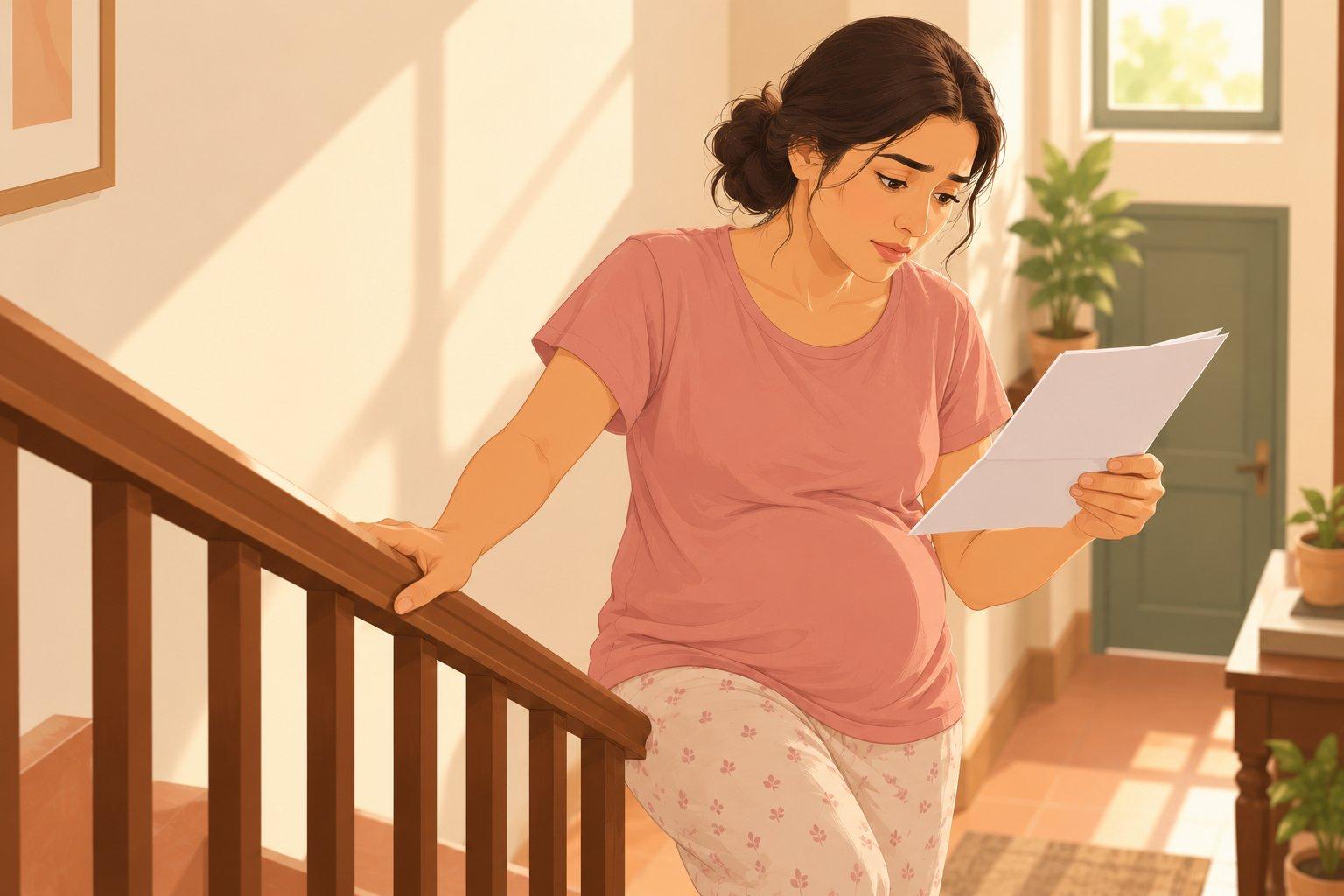
Many women feel nothing at first. When symptoms appear, they can overlap with ordinary pregnancy changes or other conditions, so only a blood test can confirm anaemia. Possible signs include:
-
tiredness that rest does not fix
-
breathlessness on stairs, or a racing heartbeat
-
pale skin, inner eyelids or nails
-
dizziness, headaches or feeling cold
-
cravings for ice, mitti (clay) or raw rice
Many women put this exhaustion down to pregnancy itself, or worry that they are not coping as well as others. Sometimes anaemia is part of the reason, which is why a blood test is worth asking for.
Why iron matters so much for mother and baby
Iron keeps oxygen flowing to the growing baby and to the mother’s own muscles, heart and brain. Moderate to severe anaemia is linked with a higher chance of preterm birth and low birth weight.
It matters at delivery too. Every birth involves some blood loss, and treating anaemia beforehand helps build the mother’s haemoglobin reserve for it.
What treatment for anemia in pregnancy looks like in India
There is no single pathway. Her obstetrician weighs four things: the cause and severity of the anaemia, the weeks of pregnancy, how she responds to tablets, and the time left before delivery.
| Situation | What her doctor may consider |
|---|---|
| Mild iron-deficiency anaemia, or routine prevention | Daily iron and folic acid tablets, with a repeat Hb test to check the response |
| Moderate to severe iron-deficiency anaemia, or little rise on tablets | Intravenous (IV) iron, such as iron sucrose or ferric carboxymaltose, if she judges it suitable; given in a hospital or health centre |
| Severe anaemia, especially close to delivery | Hospital care, where a blood transfusion may sometimes be needed |
| Anaemia from another cause, such as B12 or folate deficiency or thalassaemia | Treatment aimed at that cause, sometimes with specialist care |
Under Anemia Mukt Bharat, iron and folic acid (IFA) tablets are given free from the second trimester. They are often called the “red tablets”. They are available at government health centres, through ASHA (Accredited Social Health Activist) workers and at anganwadis. Deworming may also be offered in the second trimester, based on antenatal guidance and her doctor’s assessment.
Under the Pradhan Mantri Surakshit Matritva Abhiyan (Prime Minister’s Safe Motherhood Campaign), designated government facilities hold a fixed antenatal day on the 9th of every month. On that day, women in their second or third trimester can get a free check-up and investigations.
A few habits help prescribed tablets work well:
-
take them exactly as her doctor or ASHA worker explains
-
avoid swallowing them with chai, coffee or milk
-
keep them apart from calcium tablets, as advised
-
report constipation or nausea instead of stopping quietly
Food helps, but rarely works alone
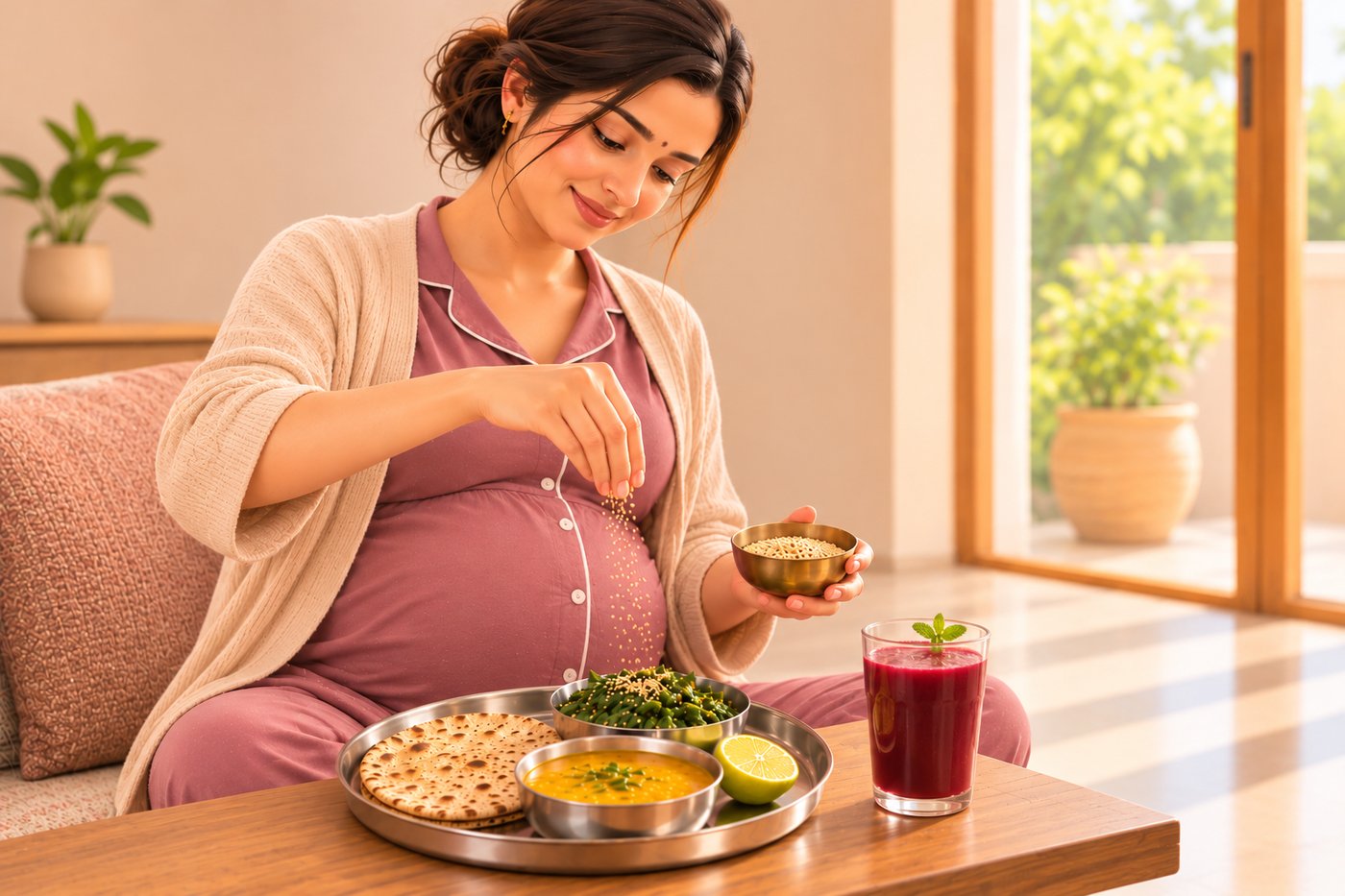
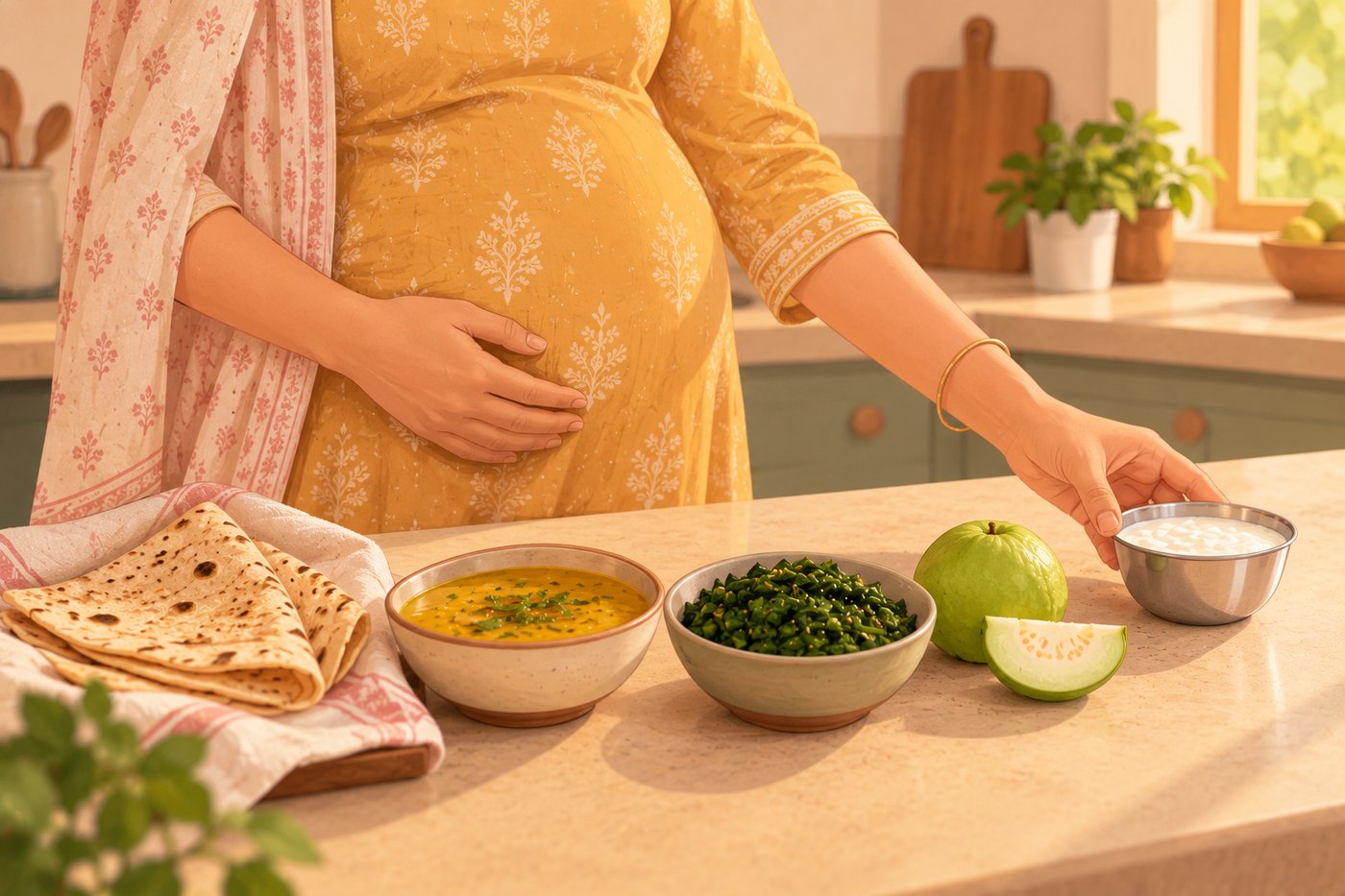
Once anaemia has set in, diet alone usually cannot raise haemoglobin fast enough. Food still matters, because it supports treatment and protects iron stores after delivery.
| Food group | Everyday Indian options |
|---|---|
| Grains and millets | Bajra, ragi, poha |
| Pulses | Rajma, kala chana, masoor dal |
| Greens | Palak, methi, sarson, bathua |
| Seeds and others | Til, gur, dates |
| Non-vegetarian | Eggs, chicken, fish, mutton |
Adding vitamin C-rich foods such as nimbu, amla, guava or tomato to these meals can help the body absorb more iron. Liver is best avoided unless her obstetrician advises otherwise, because it is very high in vitamin A.
Looking Ahead
Hb is usually rechecked within a few weeks of starting treatment, and many women see it rise steadily. The aim is to reach the last weeks of pregnancy with enough reserve for a safe birth.
Iron needs do not end at delivery. Under Anemia Mukt Bharat, routine IFA supplements are offered for six months after birth, whatever the Hb level. A mother diagnosed with anaemia follows her doctor’s separate treatment plan instead.
When to speak to a doctor
Seek care the same day if she has:
-
breathlessness at rest, or chest pain
-
a fast, pounding heartbeat, or fainting
-
extreme weakness that makes daily tasks hard
Raise it at the next visit if:
-
tiredness or paleness is getting worse
-
tablets cause problems that make them hard to continue
-
there is a family history of thalassaemia or another blood condition
References
-
World Health Organization. Guideline on haemoglobin cutoffs to define anaemia in individuals and populations. 2024.
-
Ministry of Health and Family Welfare, National Health Mission. Anemia Mukt Bharat Abhiyaan Operational Guidelines. 2025-26.
-
International Institute for Population Sciences, MoHFW. National Family Health Survey (NFHS-5), 2019 to 2021: Fact Sheets.
-
Ministry of Health and Family Welfare. Guidelines for Antenatal Care and Skilled Attendance at Birth by ANMs/LHVs/SNs.
-
Ministry of Health and Family Welfare. Pradhan Mantri Surakshit Matritva Abhiyan: What is the Program.
-
Federation of Obstetric and Gynaecological Societies of India (FOGSI). General Clinical Practice Recommendations: Management of Iron Deficiency Anaemia in Pregnancy. 2017.
-
American College of Obstetricians and Gynecologists (ACOG). Practice Bulletin No. 233: Anemia in Pregnancy. 2021.
-
Pavord S, et al. UK guidelines on the management of iron deficiency in pregnancy. British Journal of Haematology, 2020.
Common questions
What is anemia in pregnancy?
It is when haemoglobin falls below the WHO cut-off for that trimester, shown in the table above. A level below the cut-off indicates anaemia, but it does not automatically mean iron deficiency. Her doctor may recommend further tests, including ferritin, to identify the cause and decide on the right treatment.
Is Hb 10.5 normal in pregnancy?
It depends on the trimester. In the second trimester, 10.5 g/dL is at the WHO cut-off. In the first or third trimester, it counts as mild anaemia. Either way, the number is read alongside her other results and how far along she is. Her doctor may suggest a repeat test to see which way it is moving.
Can anaemia in pregnancy harm the baby?
The risks depend on the cause and severity of anaemia, and on whether it is treated. Untreated moderate to severe anaemia is linked with preterm birth and low birth weight. Identifying and managing it early helps reduce these avoidable risks. This is why national guidelines recommend an Hb test at every antenatal contact.
Why do iron tablets make stools black?
Some of the iron is not absorbed and passes out of the body, turning stools dark or black. This is common and usually harmless. Black, sticky stools with stomach pain, weakness or fainting are different, and should be checked by a doctor promptly.
Is IV iron safe in pregnancy?
IV iron is generally used after the first trimester, when the obstetrician decides it suits the cause and severity of anaemia and the time left before delivery. It is given in a hospital or health centre, where staff watch for reactions during and after the infusion. It is a clinical decision, not a routine step for everyone.
This article is for education and general understanding. It is not a diagnosis or a treatment plan. Haemoglobin levels, tests and iron treatment should always be discussed with a qualified doctor who knows her pregnancy.
 Medically reviewed byDr. Mahender Singh, MBBS, DCH, MD (Paediatrics)A consultant child specialist and neonatologist with over four decades of practice in newborn and child health.
 Written bySarthak ThakurCo-founder, CTO and Chief Marketing Officer of ParentVeda, and the software engineer who builds its app and the pipeline that checks its articles.
This article explains; it doesn’t diagnose. If your doctor has told you something different, your doctor is right.