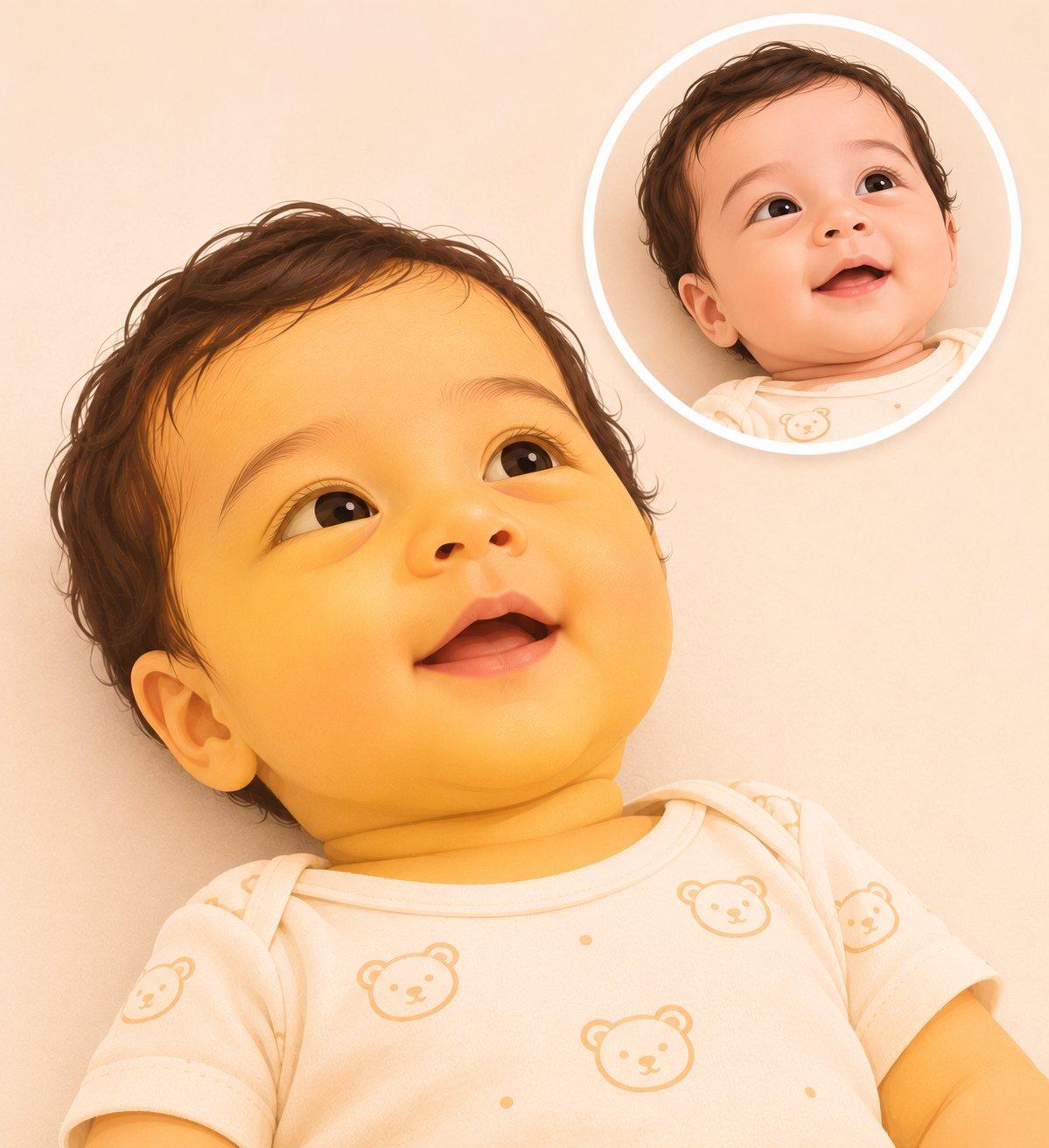
A slightly yellow face on the second or third day is one of the most common things parents notice in a new baby. Newborn jaundice, or peeliya as many families call it, shows up in many babies in the first week. Often it is mild and fades on its own.
Many parents find themselves holding the baby up to the window again and again, unsure whether the colour is changing or the light is. That uncertainty is normal, and it is also the reason this article exists.
The quick answer: newborn jaundice is common, but its seriousness cannot be judged by skin colour alone. Yellow in the first 24 hours, yellow palms or soles, poor feeding, unusual sleepiness or any other warning sign needs urgent medical assessment. A bilirubin measurement, interpreted alongside the baby’s age, gestational age and risk factors, helps the doctor decide whether treatment is needed.
Go to the hospital straight away if:
-
any yellow appears in the first 24 hours after birth
-
the palms of the hands or soles of the feet look yellow, at any age
-
the baby has a high-pitched cry, seems stiff or floppy, arches the back, has fits or cannot be woken
-
the baby is very sleepy, hard to wake for feeds or sucking weakly
-
the baby has a temperature of 38°C (100.4°F) or higher, or feels unusually cold
Call the doctor or newborn care team the same day if:
-
the yellow looks deep or keeps getting deeper
-
stools are pale, white or clay coloured, or urine is dark yellow and stains the nappy
-
the baby seems unwell in any other way
Key takeaways
-
Jaundice is a build-up of bilirubin while a newborn’s liver is still maturing, and it is common in the first week.
-
A home check can help parents notice yellow, but it cannot confirm, rule out or measure jaundice.
-
Sunlight (dhoop), water and glucose water do not treat jaundice.
-
Follow-up visits matter, because bilirubin can rise without the colour changing much.
Why do so many newborns turn yellow?
In the womb, a baby has extra red blood cells. After birth, many of these are broken down, which releases a yellow substance called bilirubin.
Before birth, the placenta cleared this bilirubin for the baby. After birth, the baby’s own liver takes over a job it has never done before. The liver is still developing that ability, so for the first few days bilirubin can build up and the skin turns yellow.
The liver processes bilirubin so it can leave the body, mainly in bile through the stools. As the liver matures, the build-up usually settles. Doctors call this physiological jaundice.
Normal jaundice follows a rough timetable
Every baby is different, and no timetable overrides the warning signs above. This is what parents should know at each stage.
| Baby’s age | What parents should know |
|---|---|
| First 24 hours | Any visible yellow needs urgent medical assessment |
| Days 2 to 5 | Jaundice is common, but its level cannot be judged by appearance |
| Beyond 14 days, in babies born at 37 weeks or later | Contact the doctor for assessment |
| Beyond 21 days, in babies born before 37 weeks | Contact the doctor for assessment |
How do I know if my baby has jaundice?
Jaundice often shows first on the face and the whites of the eyes, and it can spread down the body. On wheatish or darker Indian skin, a yellow tinge is easy to miss, so a gentle press test can help parents notice a change.
The press test at home
-
Use bright daylight near a window. Tube lights and yellow bulbs can hide or fake a yellow tint.
-
Press a fingertip gently on the nose, forehead or chest for two seconds, then lift it.
-
A yellow tinge in the pressed skin may be a sign of jaundice.
-
Check the whites of the eyes and the gums, which show yellow on every skin tone.
The test can help parents notice a change. It cannot confirm or exclude jaundice, or show how high the bilirubin is. Yellow that is hard to see does not mean the baby is safe.
Red spots, tiny bumps or dry patches are a different matter. These are usually newborn rashes, explained in Baby Rashes: Eczema vs Acne vs Heat Rash vs Cradle Cap.
What a home check can and cannot tell
| A home check can | A home check cannot |
|---|---|
| Help parents notice a yellow tinge | Measure the bilirubin level |
| Show that the yellow is spreading or deepening | Tell whether it is safe to wait |
| Give the doctor useful information | Replace a skin meter or blood test |
Doctors often use a skin meter, called a transcutaneous bilirubinometer, for a quick estimate, and some readings are confirmed with a small heel-prick blood test.
If parents are worried about jaundice, the right step is to contact the baby’s doctor. The doctor can assess the baby and decide whether a bilirubin measurement is needed.
Is sunlight good for newborn jaundice?
No. Placing the baby in sunlight, or dhoop, is not a treatment for jaundice. The standard treatment guidelines published by India’s Ministry of Health and Family Welfare (MoHFW) specifically advise against it.
Many parents hear “thodi dhoop dikha do” from a loving grandparent soon after coming home. It feels natural, and it is easy to see why the advice has lasted.
The idea has a real root. Hospital phototherapy uses special blue light at a measured dose. Sunlight, especially through glass, cannot give that dose safely, and it can cause sunburn or overheating.
The bigger risk is delay. While a family waits for the sun to work, bilirubin can keep rising unseen.
How parents can help at home
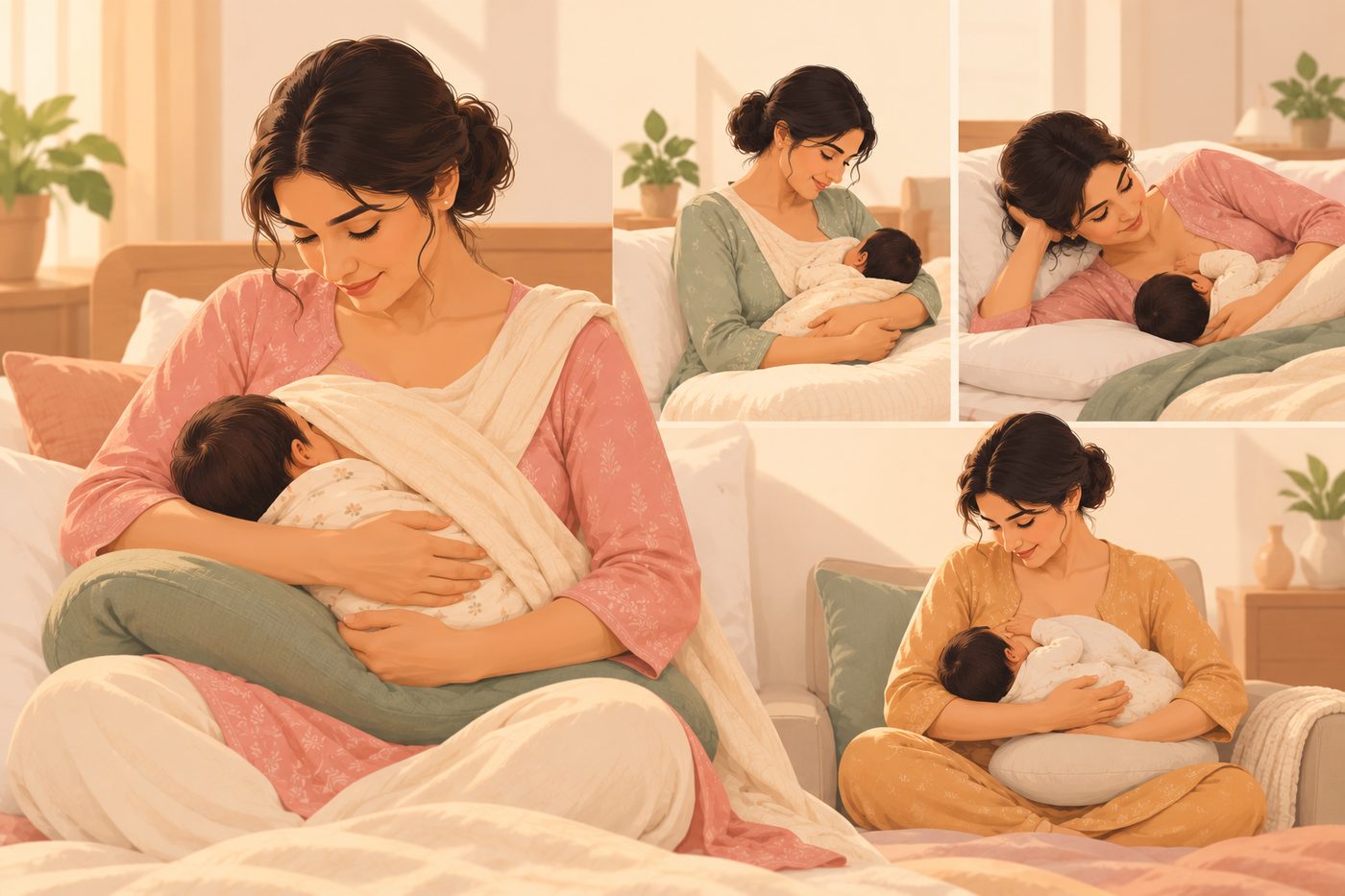
Frequent feeding keeps the baby well fed and supports the stools that carry bilirubin out. It helps, but it does not treat jaundice that has reached high levels.
| Helps | Does not help |
|---|---|
| Breastfeeding often, day and night | Sunlight or dhoop |
| Gently waking a sleepy baby for feeds | Water or glucose water |
| Getting help early if latching is hard | Stopping breastfeeding without a doctor’s advice |
| Keeping every follow-up visit | Waiting for it to settle without a check |
Some babies need a closer watch
The Indian Academy of Pediatrics (IAP) lists babies who may need closer follow-up after discharge, including those who:
-
were born before 38 weeks
-
have a known or suspected blood group incompatibility with the mother. The maternity or newborn care team reviews both blood group results and decides what follow-up is needed
-
have G6PD (glucose-6-phosphate dehydrogenase) deficiency, an inherited enzyme condition found in some Indian communities
-
had bruising or a swelling on the head from birth
-
have an older brother or sister who needed jaundice treatment
-
are not yet feeding well
If the level is high, the usual treatment is phototherapy. The baby lies under blue lights with the eyes covered, and feeding usually continues. Very rarely, an exchange blood transfusion is needed.
Less yellow skin and better feeding and alertness can be encouraging signs of recovery from jaundice in newborns. They cannot confirm that bilirubin has fallen to a safe level, so parents should keep all planned follow-up appointments and tests.
When to speak to a doctor
Alongside the urgent signs at the top, routine follow-up matters too:
-
After discharge: babies who go home early usually need a follow-up check soon after. The doctor sets the exact timing based on the bilirubin reading, gestational age and risk factors.
-
After phototherapy: the doctor may recheck bilirubin once treatment stops. The timing depends on the baby.
-
If yellow lasts beyond the timetable above: the doctor will look for the cause. This may include blood tests and questions about stool and urine colour.
Looking ahead
Most newborn jaundice settles with the right monitoring and care. Babies who need phototherapy can usually go home after treatment, with follow-up based on their bilirubin levels and history.
A baby who had very high levels may be offered a hearing test and developmental follow-up, depending on how high the levels were and how the baby did.
Keep the discharge card and any bilirubin readings ready for the next appointment, and write down the day the yellow first appeared.
References
- Ministry of Health and Family Welfare, Government of India. Detection, management and prevention of hyperbilirubinemia in term and late preterm newborn infants. Standard Treatment Guidelines, Quick Reference Guide. 2016.
- National Institute for Health and Care Excellence. Jaundice in newborn babies under 28 days. Clinical guideline CG98.
- Jain N, Sachan R, Vaenkatagiri P. Neonatal Jaundice: Standard Treatment Guidelines 2022. Indian Academy of Pediatrics. Summarised in Medical Dialogues, 2023.
- World Health Organization. WHO recommendations on maternal and newborn care for a positive postnatal experience. Geneva: WHO; 2022.
- Bhardwaj U, Kohli V, Thukral A. Management of Hyperbilirubinemia in Newborn Infants 35 or More Weeks of Gestation: American Academy of Pediatrics, 2022. Indian Pediatrics. 2023;60:63-66.
Common questions
Can breast milk cause jaundice?
Two different things can happen. In the first week, a baby who is not yet getting enough milk can become more yellow, which is why frequent feeds and early latching support matter. Later, some healthy breastfed babies stay mildly yellow for a few weeks, often called breast milk jaundice. Breastfeeding can usually continue, but yellow beyond the timetable above still needs a doctor’s assessment to rule out other causes.
Does the mother’s diet cause newborn jaundice?
No. Eating haldi, dal or other yellow foods during pregnancy or while breastfeeding does not cause jaundice in the baby. Newborn jaundice comes from the baby’s own bilirubin and a liver that is still maturing. Jaundice is also not contagious, so siblings and visitors cannot catch it.
Can jaundice come back after phototherapy?
The bilirubin level can rise again after the lights are switched off. This is called a rebound. For this reason, doctors often plan a repeat bilirubin test, with the timing based on the baby’s risk. Parents should keep that appointment even if the baby looks much less yellow.
Can jaundice harm a baby’s brain?
Very high bilirubin that is not treated in time can affect the brain and hearing. This is rare, because phototherapy works well when jaundice is picked up early. That is why the warning signs matter. Yellow on the first day, yellow palms and soles, or a baby who is too sleepy, stiff or floppy needs urgent care.
Why are the baby’s eyes still yellow when the skin looks clear?
The whites of the eyes are often the last place yellow fades. Even so, colour cannot show whether bilirubin is falling. If the eyes stay yellow, the yellow deepens, or it lasts beyond the timetable above, the baby needs a doctor’s check, even if feeding well.
This article is for general education and does not replace advice from the baby’s own doctor. Only a doctor who examines the baby can say whether jaundice needs testing or treatment. If any warning sign in this article is present, please seek medical care without waiting.
 Medically reviewed byDr. Mahender Singh, MBBS, DCH, MD (Paediatrics)A consultant child specialist and neonatologist with over four decades of practice in newborn and child health.
 Written bySarthak ThakurCo-founder, CTO and Chief Marketing Officer of ParentVeda, and the software engineer who builds its app and the pipeline that checks its articles.
This article explains; it doesn’t diagnose. If your doctor has told you something different, your doctor is right.